(703) 771-8374
What Is a Home Inspection Contingency and Can You Waive It?
Return To Blogs

Intro
When buying a home in Northern Virginia’s fast-moving real estate market, purchase agreements often hinge on one critical clause: the home inspection contingency. This clause serves as a vital safety net for buyers, offering time to thoroughly evaluate a property’s structural and operational condition before fully committing financially. However, in competitive seller’s markets, many buyers feel pressured to waive this contingency to make their offers stand out. Understanding how a home inspection contingency works, along with the true risks of giving it up, is essential to making an informed and protected investment.
What Is a Home Inspection Contingency and How Does It Work?
A home inspection contingency is a specific clause included in a residential purchase agreement that makes the sale conditional on the findings of a professional home inspection. Once an offer is accepted, the contingency establishes a defined timeline—typically seven to ten days—for the buyer to hire a licensed home inspector to evaluate the property.
During this inspection window, the inspector examines the home’s major components, including the roof, foundation, HVAC system, plumbing, and electrical panel. If significant issues or safety hazards are uncovered, the contingency gives the buyer several legal options. Buyers can request that the seller fix specified issues before closing, or they can negotiate price reductions and closing cost credits to handle repairs post-closing. If the seller refuses to address major structural or safety defects, the contingency provides the buyer with the legal right to cancel the contract and retrieve their earnest money deposit.
The Risks and Rewards of Waiving a Home Inspection Contingency
Waiving a home inspection contingency means purchasing the property strictly as-is, which removes your contractual right to negotiate repairs or cancel the contract based on defect findings without forfeiting your earnest money.
Sellers favor contingent-free offers because they eliminate the risk of a deal falling through due to repair disputes, and skipping the formal inspection period can shorten the overall transaction schedule. However, the financial and physical risks are substantial. You inherit full responsibility for all existing problems, ranging from failing roof structures and toxic mold to outdated, fire-hazardous electrical panels that can cost tens of thousands of dollars to repair. Hidden threats like active gas leaks, structural foundation settling, or severe radon accumulation may go unnoticed until they become immediate dangers, and some homeowners insurance carriers even require proof of inspection or roof certifications before issuing a policy on older homes.
Smart Alternatives to Waiving Your Inspection Completely
If you are buying in a highly competitive market like Loudoun or Fairfax County and want to present a compelling offer without taking on unlimited financial risk, several compromise strategies are available.
One effective option is a pre-offer walkthrough, where you hire a licensed inspector to accompany you during a second viewing before submitting an official offer. While less exhaustive than a full report, it flags major concerns like foundation cracks or aging HVAC units. Another strategy is utilizing a pass or fail inspection clause. This keeps the contingency in place while explicitly stating in the contract that you will not ask the seller for any repairs or financial credits. You retain the legal right to walk away with your deposit if the inspector discovers catastrophic defects, while reassuring the seller that you will not negotiate over minor cosmetic flaws. Finally, you can choose to cap repair thresholds directly in your contract, specifying that you will only request repairs or negotiate if total estimated damages exceed a set monetary value, such as five thousand or ten thousand dollars.
Conclusion
A home inspection contingency remains one of the strongest protective measures available to home buyers. While waiving it can give your offer a competitive edge in aggressive real estate markets, doing so blindly opens the door to severe financial and safety consequences. By understanding how the clause works and utilizing smart compromise options, such as a pass or fail clause or a pre-offer walkthrough, you can present a strong offer while keeping your real estate investment protected.
Recent Blogs

Can a Home Inspection Fail in Virginia? Here’s What Really Happens
Oct. 30, 2026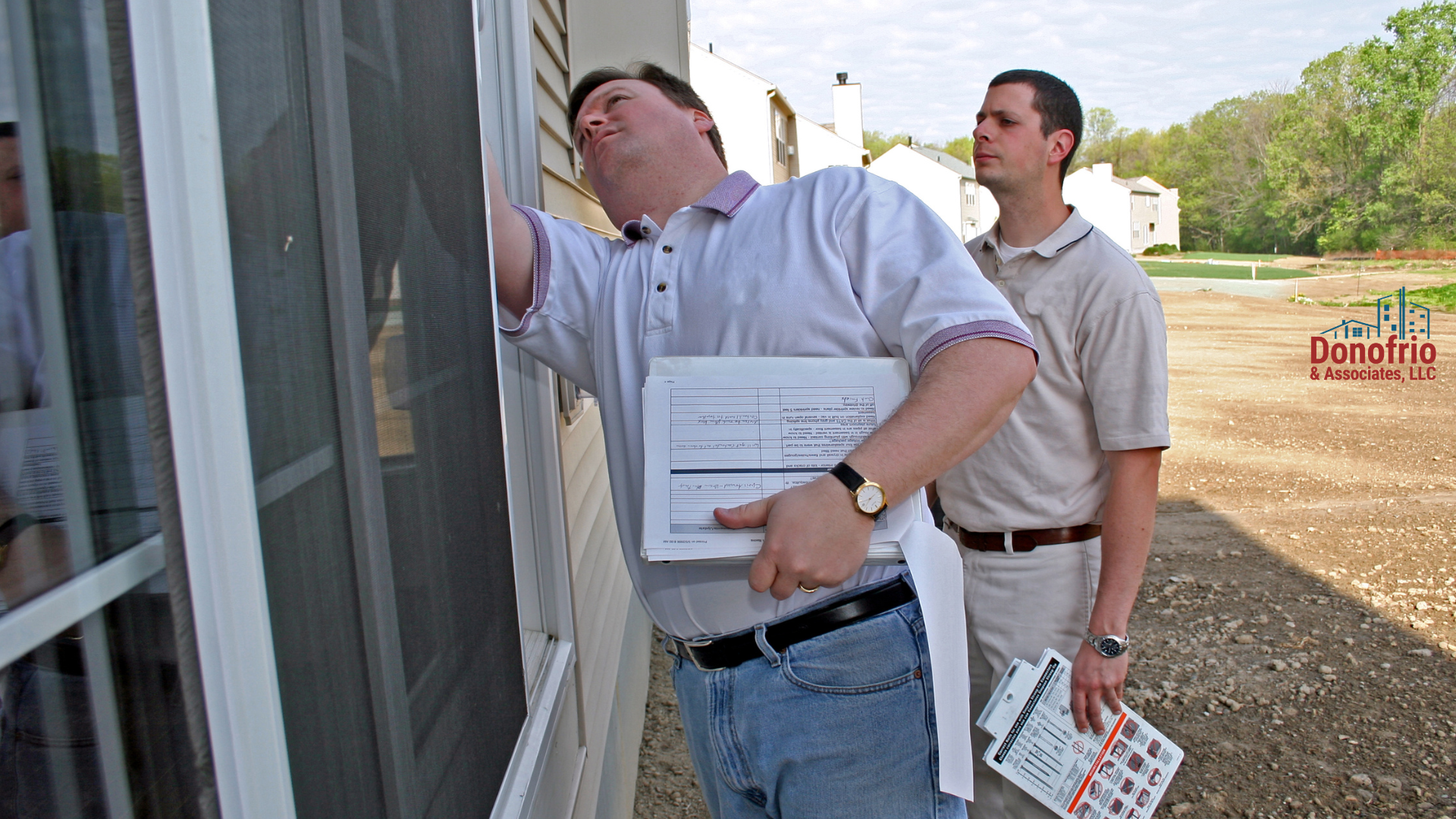
Does a Home Inspector Check Under the Deck?
Oct. 23, 2026
How Long Does a Home Inspection Take? (And What Should Buyers Do During It?)
Oct. 16, 2026
Home Inspection vs. Appraisal: What’s the Difference?
Oct. 02, 2026