(703) 771-8374

How Long Does a Home Inspection Take? (And What Should Buyers Do During It?)
Return To Blogs

Intro
For buyers navigating the home buying process, the home inspection is one of the most pivotal milestones before closing. It offers an in-depth look at the true condition of the property and ensures that your investment is sound. However, many buyers are unsure about what the day of the inspection actually looks like, how long the process takes, or what their role should be while the inspector is working. Understanding the timeline and how to make the most of your time on-site can turn a potentially stressful event into an empowering learning experience.
How Long Does a Home Inspection Take?
On average, a standard professional home inspection for a single-family home takes between two and four hours to complete. The exact duration depends heavily on several factors, including the square footage of the property, its age, overall condition, and any additional features present on the site. A smaller condo or townhouse might take around two hours, whereas an older, larger home with a basement, crawlspace, or multiple HVAC units can easily extend past four hours.
Specialized ancillary services will also add time to the overall process. If you choose to add radon testing, a sewer scope inspection, pool and spa evaluations, or chimney inspections, the inspector will need extra time to deploy equipment and run thorough tests. It is best to plan your schedule with plenty of cushion so you do not feel rushed during this crucial step.
What Buyers Should Do During the Inspection
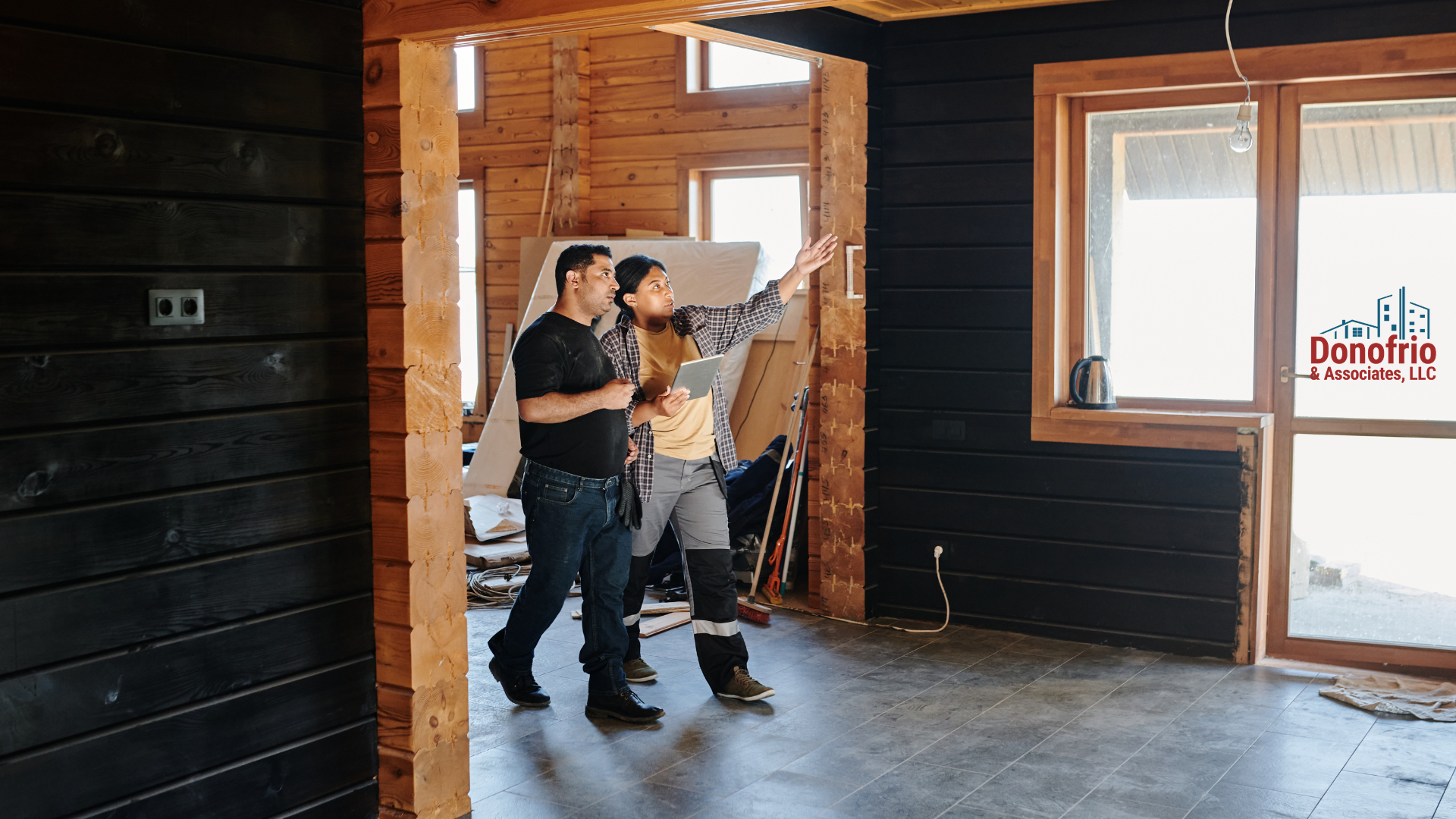
The most important action a buyer can take during a home inspection is to physically attend the walk-through. While it is generally recommended to give the inspector space during the initial detailed technical check, joining them toward the second half or during the final walk-through provides an invaluable opportunity. Walking through the property directly with a professional allows you to see highlighted issues firsthand rather than trying to decipher complex technical jargon in a written report later.
While on-site, use the time to ask focused, practical questions about the home’s primary systems and maintenance requirements. Ask the inspector to point out the main water shut-off valve, the electrical main breaker, and the furnace filter access points. Inquire about the approximate remaining lifespan of major components like the roof or water heater, and ask which items require immediate attention versus routine seasonal maintenance. Beyond evaluating defects, viewing the inspection as a personalized user manual orientation for your potential new home yields immense long-term value.
Common Mistakes Buyers Make During the Process
One common mistake buyers make is treating the home inspection like a general walkthrough for aesthetic planning. Bringing along family members, interior designers, or contractors during the inspection can distract both you and the home inspector, potentially causing critical physical details to be overlooked. It is best to keep attendance limited to the primary buyers and your real estate agent.
Another frequent pitfall is expecting the property to yield a flawless inspection report. Virtually every home, including brand-new construction, will show minor wear, cosmetic defects, or non-critical maintenance recommendations on a report. Panicking over minor issues like loose outlet covers, minor drywall stress cracks, or sticky doors can derail productive negotiations. Focus your attention and energy on major structural flaws, active water leaks, safety hazards, and failing mechanical systems.
Conclusion
A home inspection typically requires a commitment of two to four hours, but the insights gained during that brief window are invaluable. By attending the inspection, asking targeted questions about major systems, and maintaining focus on significant structural and safety issues rather than minor cosmetic flaws, you can make the most of this process. Ultimately, taking an active and informed role during the home inspection gives you the confidence needed to negotiate effectively and protect your investment.
Recent Blogs
What Is a Home Inspection Contingency and Can You Waive It?
Oct. 09, 2026
Home Inspection vs. Appraisal: What’s the Difference?
Oct. 02, 2026
Signs Your HVAC System May Need Replacement Before You Buy a Home
Sep. 25, 2026
Why Every Homebuyer Should Attend the Home Inspection
Sep. 18, 2026