(703) 771-8374

Does a Home Inspector Check Under the Deck?
Return To Blogs
Intro
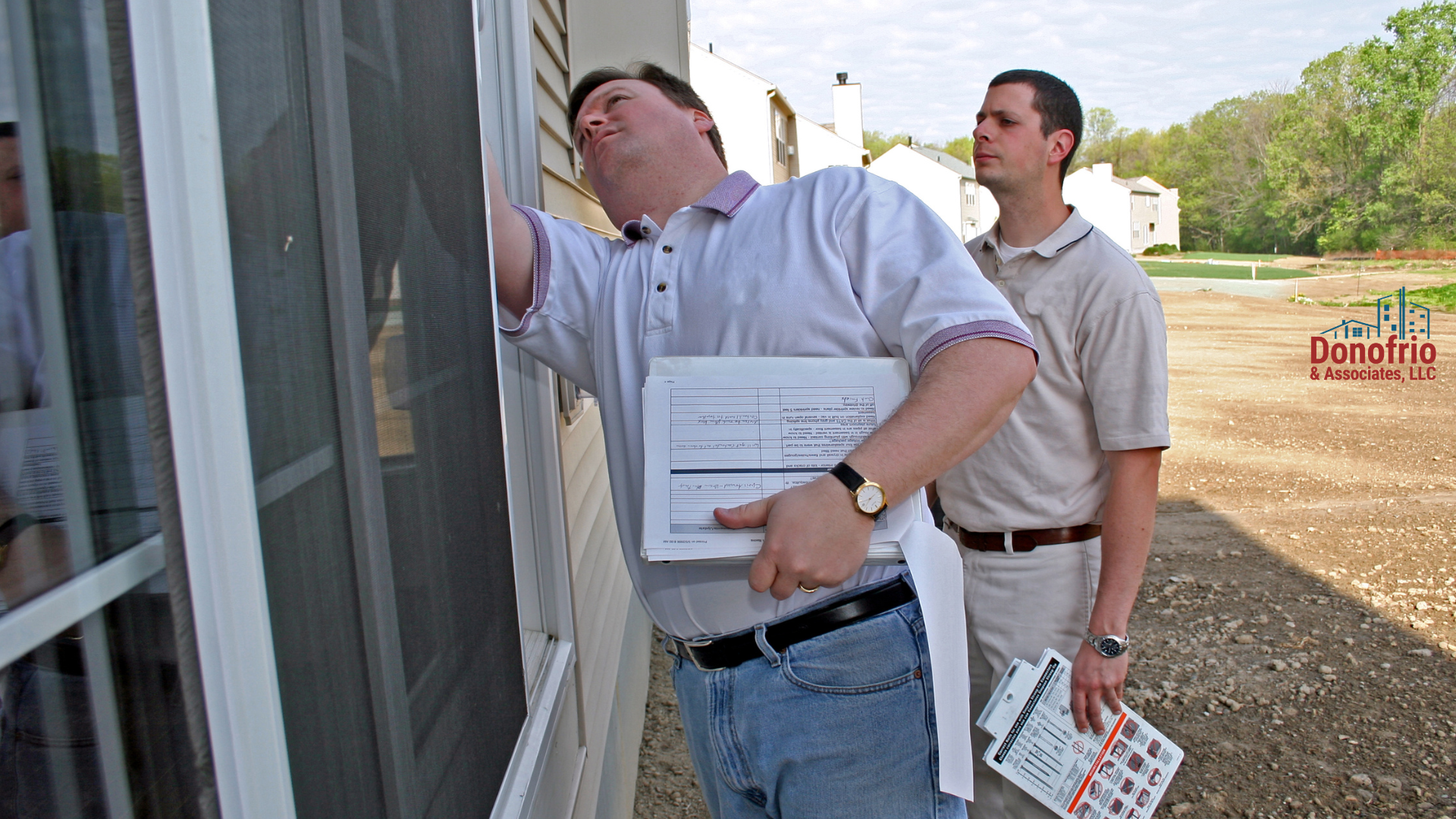
When buying a home with an outdoor living space, the deck often feels like a major selling point. However, structural integrity cannot be judged solely by clean deck boards or fresh stain. The most critical safety elements of any deck are hidden beneath the surface, where framing, posts, and connectors bear the structural load. Many home buyers wonder whether a home inspector will actually go under the deck to evaluate these components, or if they only inspect what is visible from above.
Does a Home Inspector Check Under the Deck?
Yes, a home inspector will check under the deck, provided there is safe, physical access to the space. Standard home inspection guidelines require inspectors to evaluate all accessible structural components of an attached or detached elevated deck. If the underside of the deck is accessible via a walkout basement, a high slope, or an access hatch, the inspector will examine the framing underneath to ensure the structure is safe, properly supported, and up to code.
However, the key limitation is accessibility. Home inspectors are not required to enter low-clearance crawl spaces under ground-level decks if doing so presents a safety risk or if the area is blocked by lattice, dense vegetation, storage items, or hardscaping. If the clearance is too tight or completely sealed off without a removable door, the inspector will note in the final report that the underside of the deck was inaccessible and could not be evaluated.
What Inspectors Look For Beneath the Deck
When an inspector goes under a deck, they focus primarily on the framing connections that prevent structural failure. The most critical area is the ledger board, which attaches the deck directly to the home’s framing. Inspectors verify that the ledger board is properly secured with lag screws or through-bolts rather than nails, and that flashing is installed correctly to prevent water from seeping into the house wall and causing hidden wood rot.
Inspectors also examine the posts, joists, and beam connections underneath the structure. They check that vertical support posts sit securely on concrete footings above ground level to prevent moisture damage. Additionally, they verify that joist hangers and metal connectors are properly fastened with structural nails, look for signs of wood decay or termite damage, and ensure the entire frame exhibits adequate lateral bracing to prevent swaying.
What Sellers and Buyers Should Keep in Mind
For sellers preparing for an inspection, ensuring clear access to the underside of the deck is an easy way to prevent red flags on an inspection report. Trimming overgrown bushes around the base of the structure, removing lawn equipment stored underneath, and ensuring any lattice panels can be opened easily allows the inspector to complete a thorough review without disclaimers.
For buyers, understanding that deck safety issues are among the most common structural defects flagged during home inspections is vital. Many aging decks were built by DIY enthusiasts or prior owners without permits, leading to improper fasteners or missing ledger flashing. If an inspector notes that the space under the deck was inaccessible, buyers should consider asking the seller to provide access or hire a licensed deck contractor to evaluate the hidden framing before finalizing the purchase.
Conclusion
A home inspector will inspect under a deck whenever safe access is available, as the underside houses the most essential structural and safety components of the entire build. From ledger board connections to support post footings, evaluating these hidden details protects buyers from inheriting costly structural repairs or safety risks. Ensuring clear access to the underside of the deck allows both buyers and sellers to navigate the inspection process with total confidence.
Recent Blogs

Can a Home Inspection Fail in Virginia? Here’s What Really Happens
Oct. 30, 2026
How Long Does a Home Inspection Take? (And What Should Buyers Do During It?)
Oct. 16, 2026
What Is a Home Inspection Contingency and Can You Waive It?
Oct. 09, 2026
Home Inspection vs. Appraisal: What’s the Difference?
Oct. 02, 2026