(703) 771-8374

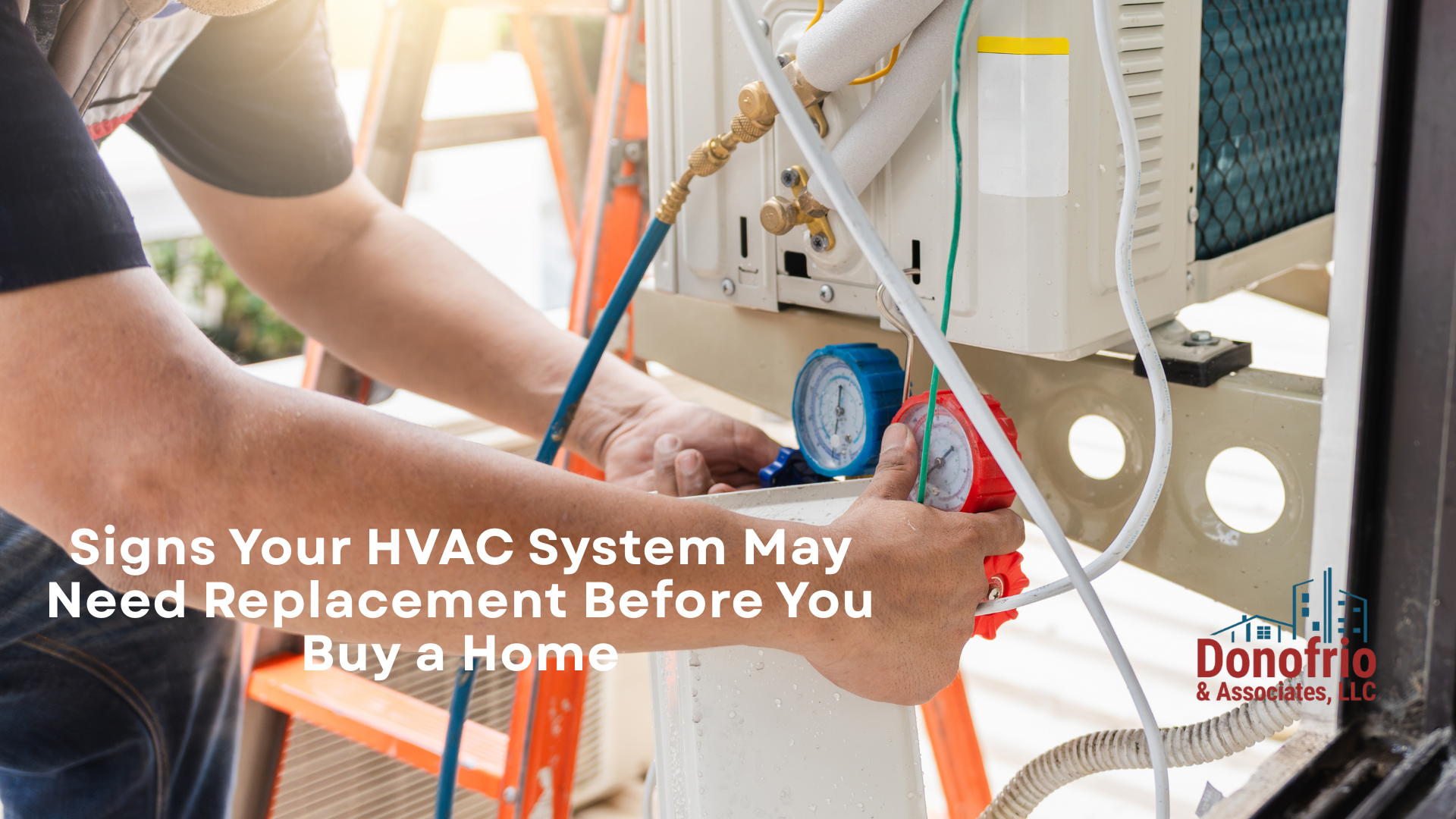
Signs Your HVAC System May Need Replacement Before You Buy a Home
Return To Blogs
Intro
Heating, ventilation, and air conditioning (HVAC) systems are among the most expensive mechanical components in any residential property. When evaluating a potential home, ensuring the heating and cooling units operate efficiently is vital to avoiding sudden financial strain shortly after closing. A full HVAC replacement can easily cost thousands of dollars, making it one of the most critical mechanical checks performed during a property walkthrough. Understanding the clear warning signs of an aging or failing HVAC system allows you to make informed offers, factor upcoming capital expenses into your budget, or negotiate seller credits before settlement.
System Age Exceeding Operational Lifespan
Even meticulously maintained climate control systems have a finite operational lifespan. Traditional air conditioning units and heat pumps generally perform reliably for 12 to 15 years, while high-efficiency gas furnaces can last between 15 and 20 years with routine servicing. During the physical walkthrough, your inspector checks the manufacturer date code printed on the serial plate located on the outdoor condenser unit and indoor air handler. If the equipment is approaching or past its 15-year mark, you should anticipate budgeting for a full system replacement in the near future, even if the unit is currently turning on and blowing air.
Inconsistent Airflow and Temperature Variances Across Rooms
An HVAC system should distribute conditioned air evenly throughout the entire living space. If certain rooms feel stiflingly hot while others remain freezing cold, or if upper floors struggle to reach comfortable temperatures, the system is likely suffering from significant operational stress. These temperature variances often stem from an undersized unit, a failing compressor, leaky or uninsulated ductwork, or a deteriorating blower motor. Experiencing unbalanced airflow during a tour is a strong indicator that the climate system is struggling to meet the home’s heating and cooling demands.
Unusual Mechanical Noises, Odors, and Excessive Moisture
Pay close attention to sensory cues when the heating or air conditioning cycles on during your walkthrough. Squealing, grinding, or loud banging sounds coming from the indoor air handler or outdoor condenser often signal worn motor bearings, loose fan belts, or internal compressor failure. Similarly, persistent musty smells or burning odors indicate mold growth inside dark ductwork or overheating electrical components. Additionally, standing water or active rusting around the base of the furnace and condensate drain line points to internal leaks or clogged drainage systems that can cause secondary water damage to nearby walls and flooring.
R-22 Refrigerant Usage and Soaring Energy Bills
Older air conditioning systems manufactured prior to 2010 frequently rely on R-22 (Freon) refrigerant, a compound phased out under environmental regulations due to its ozone-depleting properties. If an older system develops a refrigerant leak, recharging it with scarce, expensive R-22 becomes cost-prohibitive, making a full system upgrade the only realistic solution. Furthermore, reviewing the seller’s seasonal utility disclosures or checking for short-cycling behavior—where the system turns on and off rapidly without completing a full cycle—helps reveal underlying inefficiency. An inefficient unit works twice as hard to maintain thermostat temperatures, resulting in sky-high monthly energy bills.
Conclusion
Identifying an aging or defective HVAC system before closing gives you essential leverage during real estate negotiations. By paying attention to system age, unusual operational noises, temperature inconsistencies, and older refrigerant types, you avoid inheriting an unexpected mechanical failure. Uncovering these red flags during your pre-purchase inspection allows you to request seller repairs, negotiate closing cost credits, or secure a home warranty, ensuring your future home remains comfortable, safe, and energy-efficient.
Recent Blogs

Why Every Homebuyer Should Attend the Home Inspection
Sep. 18, 2026
Do Home Inspectors Check Foundations?
Sep. 11, 2026
How to Prepare Your Home for a Pre-Listing Inspection
Sep. 04, 2026
7 Roof Problems Home Inspectors Commonly Find in Northern Virginia
Aug. 28, 2026