(703) 771-8374

6 Common HVAC Issues in Older Northern Virginia Homes
Return To Blogs
Intro
Northern Virginia is home to a rich mix of historic properties, mid-century ranch houses, and classic brick colonials across communities like Old Town Alexandria, Arlington, and Vienna. While these older homes offer undeniable character, their heating and cooling systems often struggle to keep up with the region’s dramatic seasonal swings. From humid, muggy summers to freezing winter nights, an outdated or aging heating and cooling system is put to the ultimate test. Understanding the most common HVAC issues in older Northern Virginia homes helps buyers and homeowners catch costly problems before they lead to unexpected system failures.
Outdated Refrigerant Types and Aging Air Conditioners
Many older homes in the region still rely on air conditioning units built to run on R-22 refrigerant, commonly known as Freon. Because R-22 was phased out due to environmental regulations, servicing these older units has become increasingly expensive. When an older system develops a slow leak, recharging it can cost hundreds or even thousands of dollars, making a complete replacement the only financially practical choice.
Beyond refrigerant concerns, older compressor units simply wear down after years of battling Virginia’s intense summer humidity. As mechanical parts age, efficiency drops significantly, leading to skyrocketing monthly electric bills and uneven cooling throughout the home. During a home inspection, inspectors closely check the age, refrigerant type, and temperature split of these outdoor condensing units to evaluate their remaining functional lifespan.
Deteriorating, Leaky, or Uninsulated Ductwork
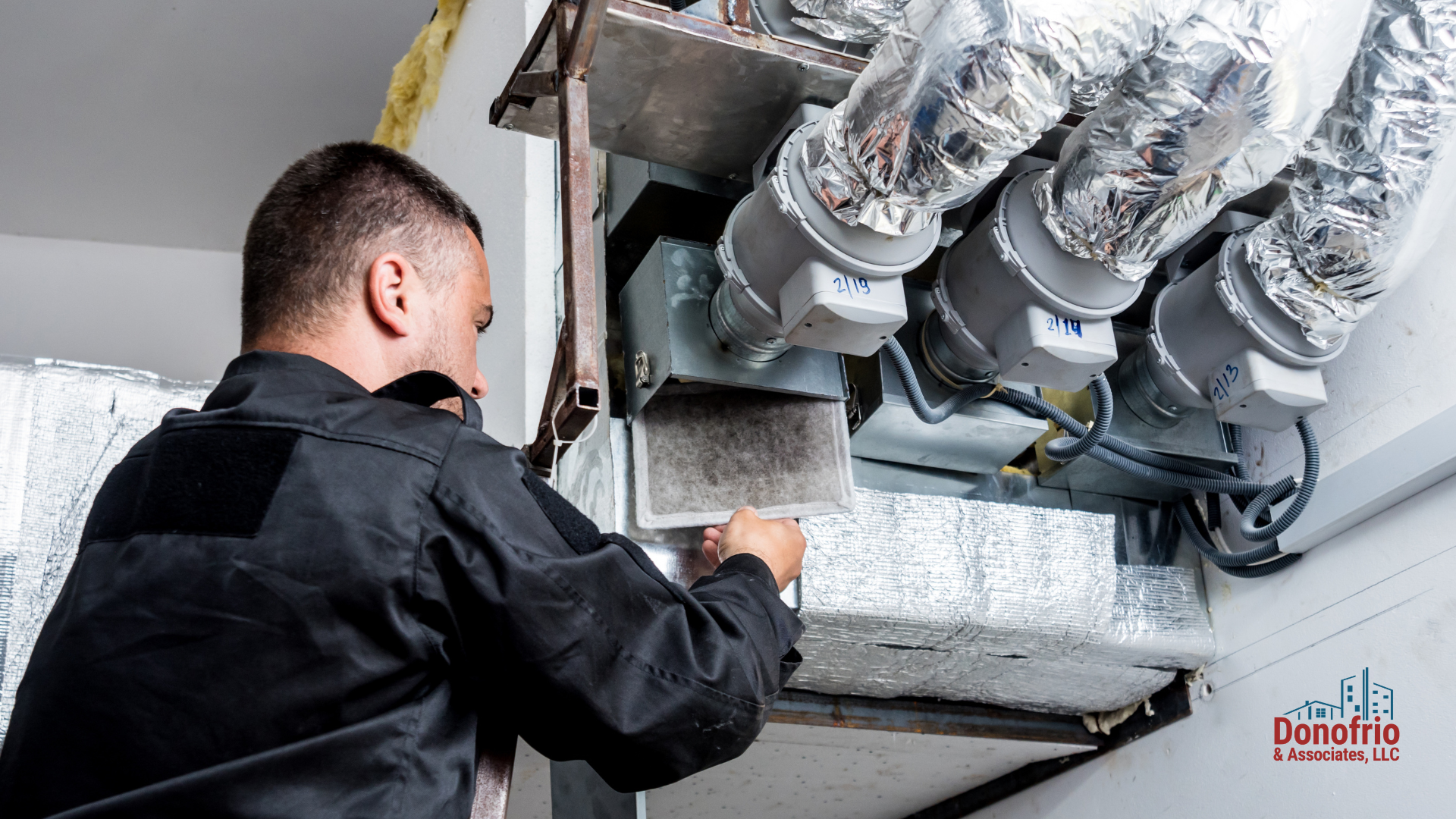
In many mid-century Northern Virginia homes, ductwork was installed decades ago and may have degraded significantly over time. Flexible ducts can tear or sag, while rigid metal duct sections often separate at unsealed joints. When conditioned air leaks into unconditioned spaces like attics, basements, or crawlspaces, your system has to work twice as hard to maintain comfortable room temperatures.
Additionally, older ductwork in unheated attics frequently lacks adequate insulation, leading to heavy thermal loss and condensation issues. During summer months, humid air meeting cold metal ducts can create excess moisture, dripping through ceilings and encouraging mold growth within wall cavities. Unsealed ductwork also pulls dust, pollen, and crawlspace dampness directly into your indoor living environment.
Undersized or Overworked Heating Systems
Older home additions, converted porches, and finished basements are common throughout Fairfax and Loudoun counties. Unfortunately, past renovations often expanded a home’s square footage without upgrading the central HVAC unit to handle the added load. An undersized system runs continuously to reach the set temperature, causing premature wear and tear on blower motors and heat exchangers.
Similarly, older gas furnaces in historic homes face significant safety risks as they age. Over time, the metal in a furnace heat exchanger can crack due to constant expansion and contraction cycles. A cracked heat exchanger allows deadly carbon monoxide gas to mix directly with the air circulating inside your home, making regular professional inspections and functioning carbon monoxide detectors critical safety requirements.
Aging Boilers, Radiators, and Cast Iron Piping
Historic properties throughout Northern Virginia often rely on boiler systems and cast iron radiators for hydronic heating rather than forced air. While boiler heat provides comfortable, consistent warmth, aging boilers present unique maintenance challenges. Older cast iron piping can develop hidden corrosion, lead to slow water leaks, or accumulate mineral scale that restricts proper water circulation.
Expansion tanks, pressure relief valves, and circulator pumps on older boiler units also have limited lifespans and require routine servicing. If a boiler lacks proper backflow prevention or exhibits signs of persistent rust, water pooling, or uneven heating across zones, it signals that major repairs or system replacements are overdue.
Lack of Zoning and Poor Air Distribution
Multi-story historic homes and traditional two-story colonials frequently suffer from severe temperature imbalances. Because heat naturally rises, second-floor bedrooms in older homes often stay uncomfortably warm in the summer while the main floor remains cool. Older single-stage HVAC systems lack the variable speed controls needed to regulate airflow effectively across multiple floors.
Without modern zoning dampers or ductless mini-split supplemental units, homeowners are forced to crank down the central thermostat, overcooling the main level just to make the upper level habitable. An inspector evaluates temperature differentials between floors to determine whether airflow distribution issues stem from duct design flaws or a struggling blower motor.
Conclusion
Maintaining a comfortable indoor climate in an older Northern Virginia home requires proactive oversight of its HVAC components. From aging R-22 air conditioners and leaky attic ductwork to cracked heat exchangers and unbalanced airflow, legacy systems face unique challenges under regional weather demands. By identifying these six common issues early through regular maintenance and professional inspections, homeowners and buyers can protect their financial investment and maintain a safe, energy-efficient home year-round.
Recent Blogs

What Is the Difference Between a Home Inspection and a Home Appraisal?
Nov. 06, 2026
Can a Home Inspection Fail in Virginia? Here’s What Really Happens
Oct. 30, 2026
Does a Home Inspector Check Under the Deck?
Oct. 23, 2026
How Long Does a Home Inspection Take? (And What Should Buyers Do During It?)
Oct. 16, 2026