(703) 771-8374

Why New Construction Homes Still Need a Professional Home Inspection
Return To Blogs
Intro
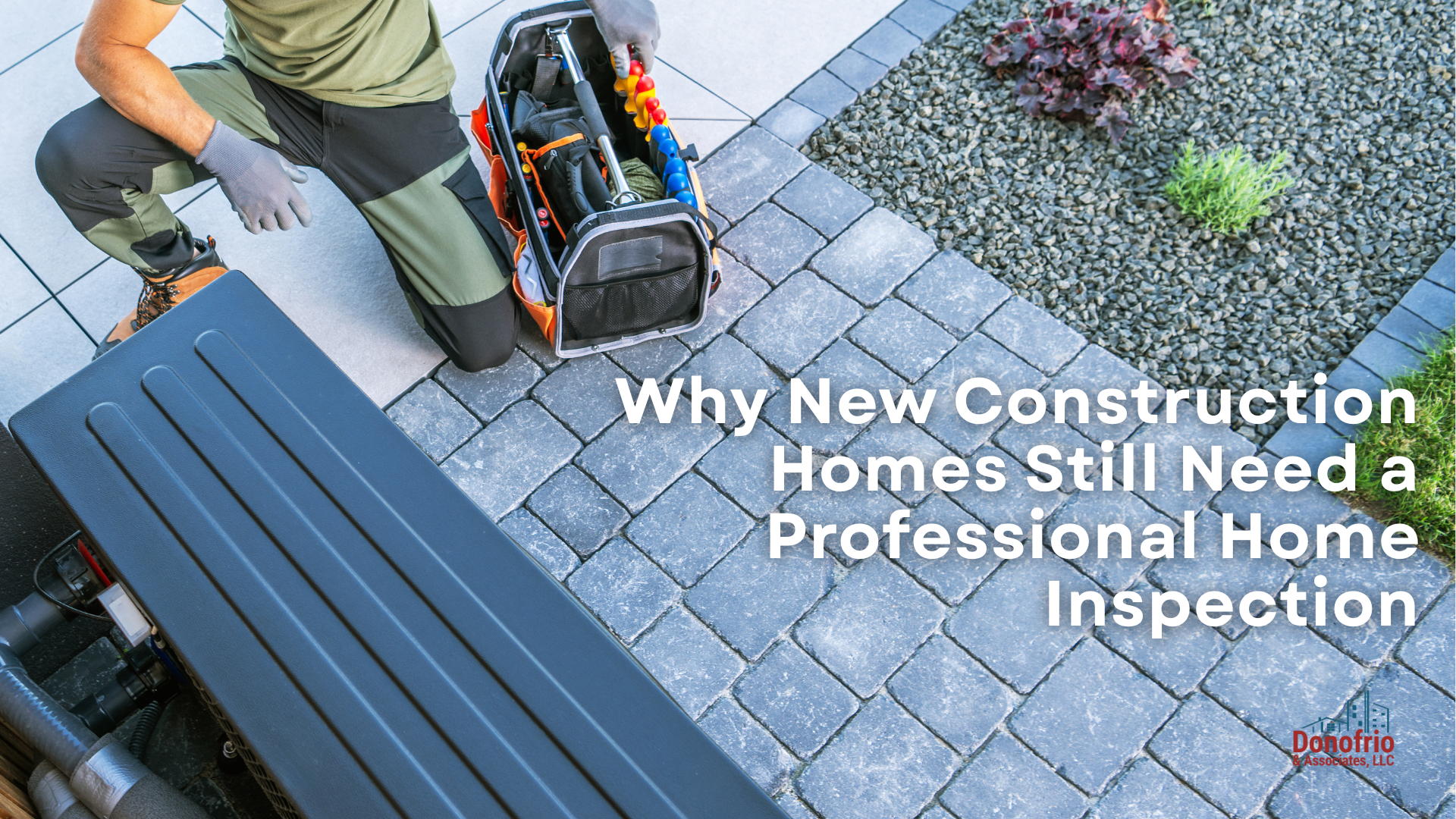
It is a common misconception among buyers that purchasing a brand-new home guarantees a pristine, defect-free structure. While buying a newly built property in Northern Virginia means enjoying modern finishes and energy-efficient designs, the fast-paced nature of residential construction creates ample opportunity for human error. Construction crews often work under tight build schedules with multiple sub-contractors managing framing, plumbing, electrical, and roofing simultaneously. Booking an independent new construction inspection Virginia real estate professionals trust ensures that missing details, code oversights, and hidden installation defects are caught and corrected well before you collect the keys.
Overloaded Builder Schedules and Sub-Contractor Turnover
The high demand for new housing across Virginia means homebuilders are managing dozens of concurrent projects while pushing to meet strict delivery deadlines. Because distinct teams handle separate trade specializations—such as framing, HVAC ducting, or plumbing—miscommunication happens frequently on site. For example, a heating technician might cut through critical framing joists to clear room for a duct, compromising structural integrity, or an electrician might accidentally disconnect a vent pipe. Independent third-party inspectors review the entire build holistically, catching inter-system mistakes that rushed sub-contractors easily overlook.
Municipal Inspections Do Not Replace Independent Private Evaluations
Many buyers rely on local city or county code inspectors to verify that their new home is safe for occupancy. However, local municipal inspectors face high daily caseloads, forcing them to conduct quick, surface-level walkthroughs focused strictly on minimum code compliance. A private inspector spends several dedicated hours testing every accessible component, from verifying roof flashing details and checking insulation continuity to running thermal imaging scans on electrical panels. An independent evaluation goes far beyond basic city code requirements to assess long-term build quality, craftsmanship, and system functionality.
Common Defects Hidden Behind Fresh Drywall
Once drywall is hung and painted, cosmetic surfaces can easily disguise latent structural and mechanical problems. Third-party home evaluations on new builds routinely uncover significant underlying issues, including improperly flashed window frames, missing attic insulation batts, unvented bathroom exhaust fans terminating in the attic, or incorrectly wired Ground Fault Circuit Interrupter (GFCI) outlets. Identifying these issues while the builder’s site manager is still active on location allows you to leverage your pre-closing walkthrough to request complete repair or remediation before settlement.
Protecting Your New Home Warranty
Most reputable builders offer a one-year builder’s workmanship warranty alongside longer structural warranties. Conducting a thorough walkthrough prior to settlement establishes an official baseline of the property’s initial condition, making it much easier to hold the builder accountable for incomplete or defective work. Having a clear, professional diagnostic report gives you the official documentation required to ensure the builder honors their warranty promises and completes the necessary fixes at their expense—not yours.
Conclusion
A brand-new house is one of the most exciting investments you can make, but assuming everything behind the walls is flawless can lead to costly surprises down the road. Investing in an independent third-party inspection gives you an unbiased assessment of the home’s actual build quality. By identifying hidden defects before closing, you ensure your builder addresses critical repairs upfront, giving you complete peace of mind as you move into your dream home.
Recent Blogs
What Is a Home Inspection Contingency and Can You Waive It?
Oct. 09, 2026
Home Inspection vs. Appraisal: What’s the Difference?
Oct. 02, 2026
Signs Your HVAC System May Need Replacement Before You Buy a Home
Sep. 25, 2026
Why Every Homebuyer Should Attend the Home Inspection
Sep. 18, 2026