(703) 771-8374

Indoor Air Quality Concerns: Mold & Moisture Risks in Cold, Damp Months
Return To Blogs
Introduction
When winter arrives, many homeowners spend more time indoors with windows and doors tightly sealed against the cold. While this helps conserve heat, it can also trap moisture and pollutants inside, leading to poor indoor air quality. Dampness combined with limited ventilation creates the perfect environment for mold growth, which can damage property and affect health. A seasonal inspection helps homeowners identify risks and maintain a safe, comfortable indoor environment during the cold, damp months of winter.
Identifying Sources of Moisture in the Home
Moisture is the leading contributor to poor indoor air quality in winter. Inspectors begin by identifying areas where water or humidity may accumulate, such as basements, crawl spaces, bathrooms, and kitchens. Roof leaks, condensation on windows, and plumbing issues are common culprits. Even minor water intrusion can encourage mold growth if left unaddressed. By pinpointing moisture sources early, homeowners can prevent damage and avoid the long-term health risks associated with mold exposure.
Evaluating Ventilation and Humidity Levels
Proper ventilation is critical to preventing excess humidity indoors. During a seasonal inspection, professionals assess attic, bathroom, and kitchen ventilation systems to confirm they are functioning effectively. Inspectors may also recommend the use of dehumidifiers in particularly damp areas or whole-home ventilation upgrades to improve airflow. Maintaining humidity levels between 30% and 50% helps reduce condensation on walls and windows while making the home more comfortable. Adequate ventilation ensures fresh air circulates, reducing the risk of both mold and respiratory issues.
Checking for Mold Growth and Air Quality Hazards
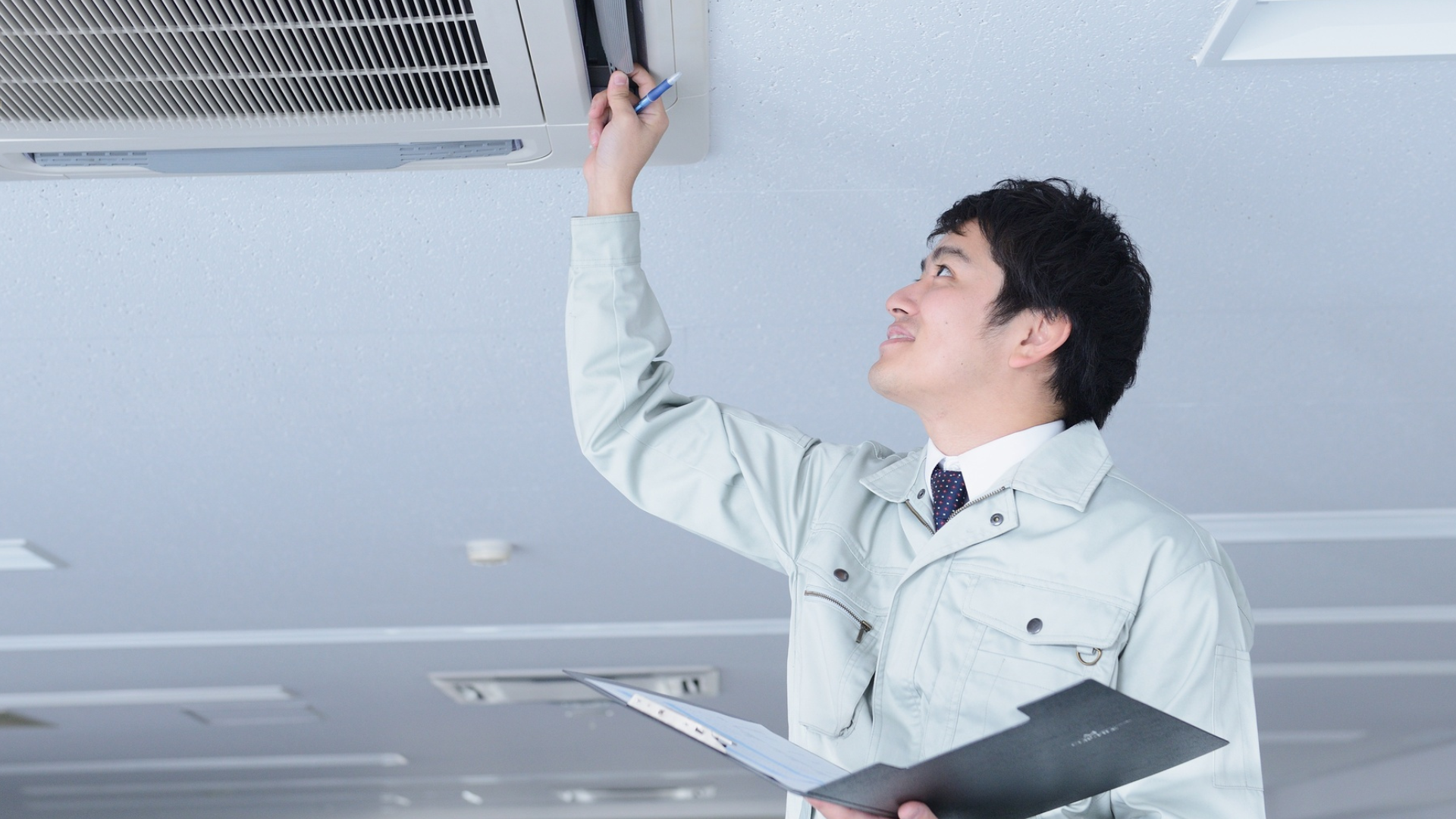
Inspectors look for visible signs of mold in high-risk areas, as well as musty odors that may indicate hidden growth behind walls or under flooring. They also evaluate air filters in HVAC systems to ensure they are clean and capable of capturing airborne pollutants. In some cases, inspectors may recommend air quality testing to detect mold spores, allergens, or carbon monoxide levels. Identifying these issues before winter sets in gives homeowners the opportunity to correct problems, protect their families, and improve overall air quality.
Conclusion
Indoor air quality often suffers during the winter months, but proactive inspections and maintenance can reduce risks. By identifying moisture sources, improving ventilation, and checking for mold growth, homeowners can create a healthier living environment. A seasonal inspection not only protects your property from hidden damage but also ensures that your family can breathe easier during the cold, damp months of winter.
Maintaining high indoor air quality (IAQ) is a critical part of winter wellness. When we seal our homes to keep the cold out, we inadvertently trap pollutants like pet dander, dust mites, and volatile organic compounds (VOCs) inside. CLICK HERE
Frequently Asked Questions: Winter Indoor Air Quality
Why does air quality often drop during the winter? During the winter, “air exchange” rates decrease because windows and doors remain closed. This leads to a buildup of indoor pollutants. Furthermore, heating systems can stir up dust and allergens trapped in ductwork, while low humidity can irritate the respiratory tract, making you more susceptible to winter illnesses.
How can I tell if my home has a moisture problem? Common signs include persistent condensation on the interior of windows, musty odors in closets or basements, and “efflorescence” (white powdery salt deposits) on foundation walls. If you see dark spots on window sills or bathroom ceilings, these are early indicators of mold growth fueled by excess winter moisture.
What is the ideal humidity level for a home in winter? To protect both your health and your home’s structure, aim for a relative humidity level between 30% and 50%. If humidity drops below 30%, it can cause dry skin and respiratory irritation; if it rises above 50%, it creates an environment where mold and dust mites thrive.
Can an HVAC inspection improve my air quality? Absolutely. A professional inspection ensures your furnace is venting properly (preventing carbon monoxide buildup) and that your filtration system is effective. Upgrading to a high-efficiency filter (like a MERV 13) can significantly reduce the amount of microscopic particulate matter circulating through your home.
What are “VOCs” and how do I reduce them in the winter? Volatile Organic Compounds (VOCs) are gases emitted from household items like cleaning supplies, air fresheners, new furniture, and even scented candles. To reduce them, opt for “low-VOC” or natural cleaning products and try to provide “burst ventilation” by opening windows for just 5–10 minutes on dry days to flush out stale air.
Recent Blogs

What Is a Home Inspection Contingency and Can You Waive It?
Oct. 09, 2026
Home Inspection vs. Appraisal: What’s the Difference?
Oct. 02, 2026
Signs Your HVAC System May Need Replacement Before You Buy a Home
Sep. 25, 2026
Why Every Homebuyer Should Attend the Home Inspection
Sep. 18, 2026