(703) 771-8374

Electrical Safety Checks for Commercial Properties in Cold Seasons
Return To Blogs
Introduction
Winter weather puts additional demands on commercial buildings, especially when it comes to electrical systems. Shorter days increase the need for lighting, while heating systems, holiday displays, and seasonal equipment add to the electrical load. Without proper inspection and maintenance, commercial properties risk power outages, equipment failures, and even fire hazards. A seasonal electrical safety check ensures that your building is prepared to handle increased demand safely and efficiently throughout the cold months.
Inspecting Electrical Panels and Load Capacity
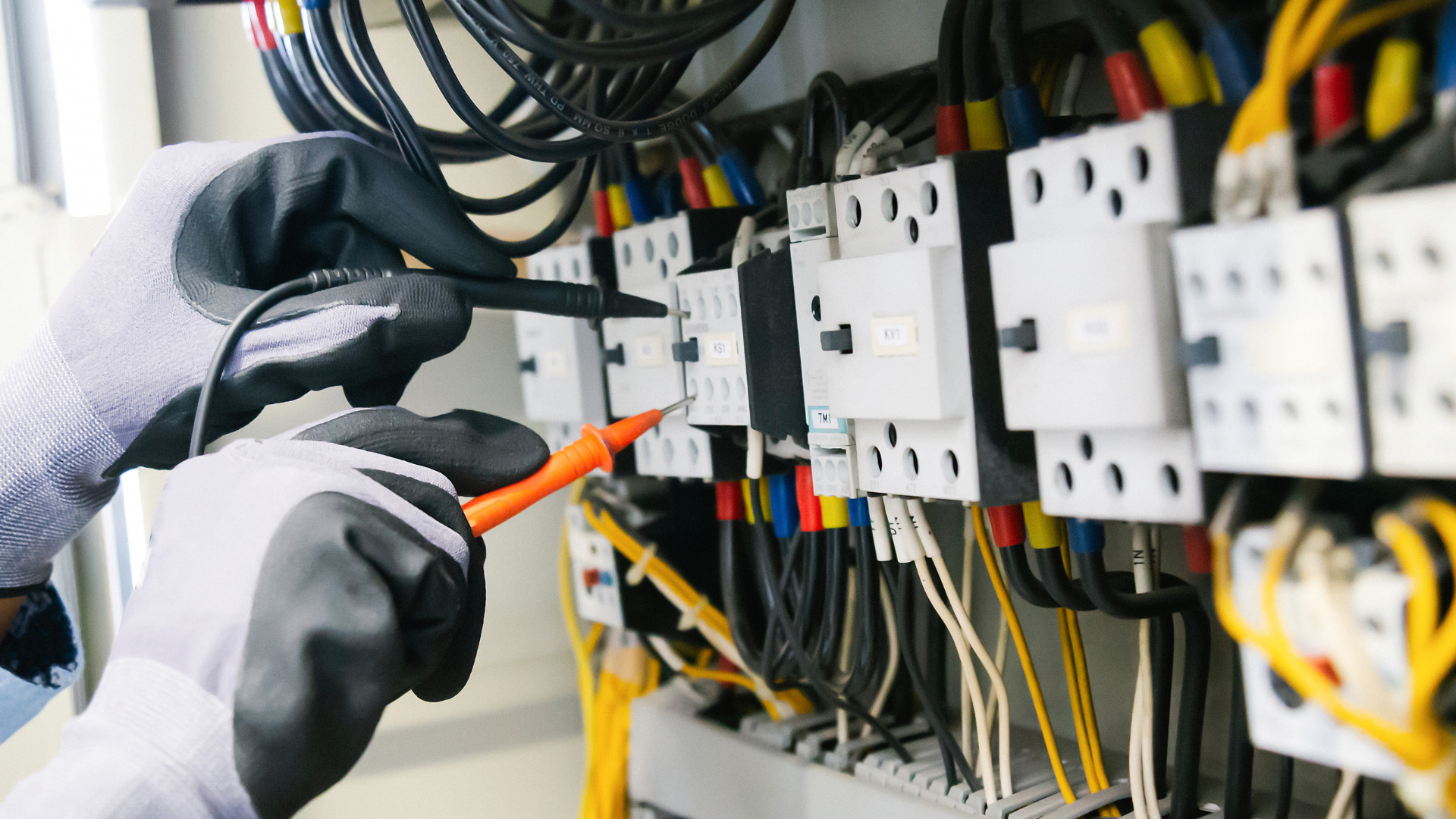
Commercial buildings often experience a surge in electrical usage during winter. Inspectors begin by examining electrical panels, breakers, and circuits to confirm that the system can handle seasonal demands. Overloaded panels or outdated wiring increase the risk of tripped breakers and electrical fires. Professionals also verify grounding systems and connections to ensure reliability. Addressing these issues in the fall helps prevent costly downtime and ensures uninterrupted operations when heating systems and lighting are working hardest.
Testing Lighting, Emergency Systems, and Exterior Power Sources
Proper lighting is essential during the shorter, darker days of winter. Inspectors evaluate both interior and exterior lighting systems, checking for worn fixtures, faulty wiring, and inadequate coverage in parking lots and walkways. Emergency lighting and backup power systems, such as generators, are also tested to confirm they will function in case of an outage. Exterior outlets and wiring must be weatherproofed to withstand snow, ice, and freezing rain. Ensuring reliable lighting and emergency power not only improves safety but also reduces liability risks for property owners.
Evaluating Heating Equipment and Seasonal Electrical Demands
Commercial heating systems rely heavily on electrical components, from thermostats and control panels to blower motors and pumps. Inspectors confirm that these components are working efficiently and safely, reducing the risk of mid-season breakdowns. They also review seasonal additions, such as space heaters, holiday lighting, or temporary equipment, to ensure they do not create dangerous overloads. By planning for these demands ahead of time, property owners can avoid unexpected outages and extend the lifespan of their electrical systems.
Conclusion
Electrical safety is a crucial part of winter preparation for any commercial property. By inspecting panels, testing lighting and emergency systems, and reviewing seasonal demands, owners can prevent outages, reduce safety risks, and keep operations running smoothly. A professional electrical inspection not only safeguards your property but also provides peace of mind throughout the cold season.
Conducting a professional thermal scan of your electrical panels is the most effective way to identify “hot spots” and prevent system failures caused by the increased heating and lighting demands of winter. CLICK HERE
Frequently Asked Questions: Commercial Electrical Winter Safety
Why is winter specifically taxing on a commercial electrical system? Winter brings a “double-threat” to your electrical infrastructure: significantly increased heating loads and longer run times for interior and exterior lighting due to shorter days. This constant high demand can expose weak connections or overloaded circuits that might have gone unnoticed during the milder spring and fall months.
What is an infrared (thermal) electrical scan? During a Donofrio commercial inspection, we often use infrared cameras to look at your breakers and wiring. Because loose connections or failing components generate heat before they fail, the thermal camera allows us to “see” a potential fire hazard or equipment failure before it actually happens, allowing for a scheduled repair instead of an emergency shutdown.
Should I test my emergency and exit lighting before winter? Absolutely. Winter storms in Northern Virginia can lead to frequent power outages. OSHA and NFPA codes require that emergency exit signs and path lighting stay illuminated for at least 90 minutes on battery backup. An inspection verifies that these batteries are holding a charge and that the bulbs are functional, ensuring your tenants can evacuate safely during a blackout.
How does outdoor lighting impact my liability during the winter? With sunset occurring much earlier, your parking lot and walkway lighting become your primary defense against “slip-and-fall” lawsuits. An electrical inspection includes checking the timers, photocells, and structural integrity of light poles, ensuring there are no dark zones where ice could hide on your sidewalks.
Can “space heaters” in offices cause electrical issues? Yes, this is one of the most common causes of commercial electrical fires. Many office circuits are not designed to handle the 1,500-watt draw of multiple portable heaters. An inspection can help determine if your “plug load” is exceeding the circuit capacity, allowing you to establish safe heating policies for your tenants or employees.
Recent Blogs
What Is a Home Inspection Contingency and Can You Waive It?
Oct. 09, 2026
Home Inspection vs. Appraisal: What’s the Difference?
Oct. 02, 2026
Signs Your HVAC System May Need Replacement Before You Buy a Home
Sep. 25, 2026
Why Every Homebuyer Should Attend the Home Inspection
Sep. 18, 2026