(703) 771-8374

Preventing Freeze-Related Plumbing Damage in Commercial Properties
Return To Blogs
Introduction
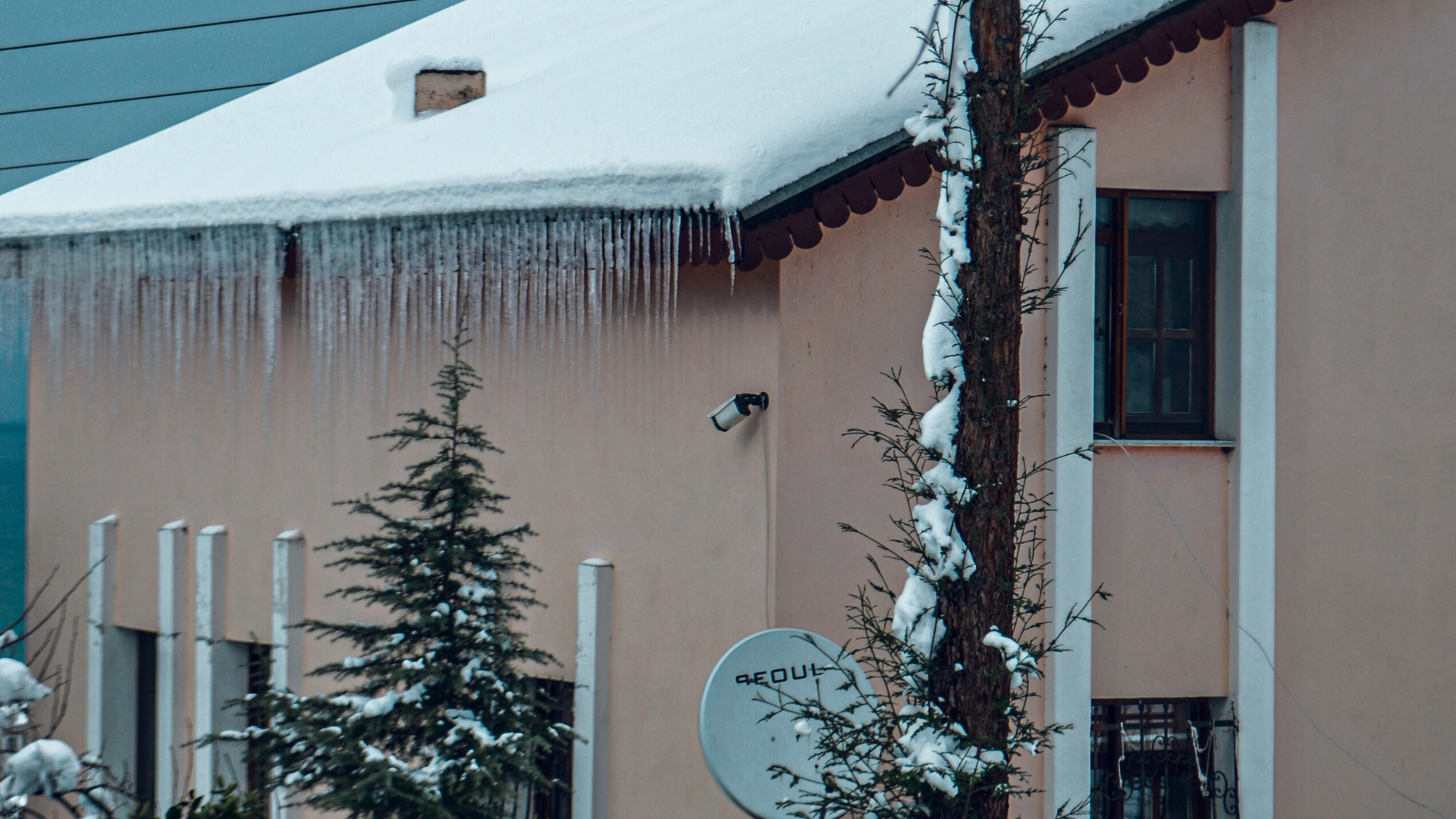
When temperatures drop below freezing, commercial plumbing systems face significant risks. Burst pipes, water damage, and costly downtime are common problems for businesses unprepared for winter weather. Unlike residential homes, commercial properties often have larger, more complex plumbing systems that serve multiple tenants, employees, or operations. A single plumbing failure can disrupt business continuity, damage valuable assets, and create safety hazards. By scheduling a seasonal inspection and implementing preventive measures, property owners can safeguard their buildings against freeze-related plumbing damage.
Insulating Pipes and Protecting Vulnerable Areas
The first line of defense against frozen pipes is proper insulation. Inspectors identify vulnerable areas, such as pipes running through exterior walls, unheated storage spaces, basements, and crawl spaces. Adding insulation sleeves, heat tape, or specialized coverings reduces the risk of freezing when temperatures plummet. Exterior faucets and irrigation systems should also be winterized by draining water lines and shutting off supply valves. A professional inspection ensures that these steps are completed thoroughly, protecting your property’s most vulnerable plumbing components from freeze damage.
Monitoring Water Heaters, Valves, and Flow Systems
Commercial inspections also focus on the performance of water heaters and valves, which are critical for maintaining consistent water flow in colder weather. Inspectors test safety valves, verify water pressure levels, and ensure heaters are capable of sustaining demand during peak winter usage. Backflow prevention devices and shut-off valves are also evaluated to confirm that they function properly in emergencies. By addressing these systems in the fall, property owners reduce the risk of unexpected shutdowns and ensure that critical plumbing infrastructure remains operational all winter long.
Emergency Planning and Regular Monitoring
Even with preventive measures in place, unexpected cold snaps can still pose a risk. A seasonal inspection includes developing an emergency response plan tailored to your building’s plumbing system. This plan may involve installing temperature sensors in vulnerable areas, identifying shut-off locations, and establishing procedures for rapid water drainage in case of a burst. Property owners should also schedule regular monitoring throughout the season, either through automated systems or routine visual checks. Early detection of frozen pipes allows for quick action, preventing small issues from escalating into costly disasters.
Conclusion
Freeze-related plumbing damage can cripple a commercial property, but proactive inspections and maintenance minimize the risks. By insulating vulnerable pipes, testing heaters and valves, and preparing an emergency response plan, property owners protect their buildings from costly water damage and business interruptions. A commercial plumbing inspection before winter provides peace of mind, ensuring that your property is ready to withstand even the coldest temperatures.
Implementing a comprehensive winterization strategy for commercial plumbing is the most effective way to avoid the operational downtime and massive insurance claims associated with burst water mains. CLICK HERE
Frequently Asked Questions: Commercial Plumbing & Freeze Prevention
Which areas of a commercial building are most at risk for pipe bursts? Commercial properties often have large, unheated spaces such as warehouses, mechanical rooms, and “plenum” spaces above drop ceilings. Any plumbing located near loading docks or entryways where cold air blasts occur is at high risk. We also pay close attention to pipes running through exterior walls that may have settled or missing insulation.
What is the “Circulation Rule” for commercial properties during a freeze? In large buildings, stagnant water freezes much faster than moving water. An inspection checks that your circulation pumps—which keep water moving through the system—are fully functional. For properties that will be vacant over a holiday weekend, we recommend maintaining a “trickle” of water at the furthest point in the system to keep pressure from building up.
How do I protect my commercial “backflow preventer” from freezing? Backflow preventers are often located outside or in unheated utility closets. Because they contain small, sensitive internal parts, they are highly susceptible to freeze damage. A professional inspection ensures your backflow assembly is housed in a “hot box” (an insulated, heated enclosure) or is properly wrapped with industrial-grade heat tape.
Should I drain my commercial irrigation and cooling towers? Yes. Cooling towers and irrigation systems are not designed to hold water in sub-freezing temperatures. A fall inspection verifies that these systems have been professionally “blown out” with compressed air and that the main supply valves are closed and drained to prevent the supply lines from shattering.
How does a “Main Shut-Off Audit” help my employees? During a commercial inspection, we clearly label all main and zone shut-off valves. In a commercial setting, finding a valve in a crisis can be difficult. Having a “Valve Map” ensures that your maintenance staff or on-site managers can stop a leak in seconds rather than minutes, potentially saving thousands of dollars in equipment damage.
Recent Blogs
Signs Your HVAC System May Need Replacement Before You Buy a Home
Sep. 25, 2026
Why Every Homebuyer Should Attend the Home Inspection
Sep. 18, 2026
Do Home Inspectors Check Foundations?
Sep. 11, 2026
How to Prepare Your Home for a Pre-Listing Inspection
Sep. 04, 2026