(703) 771-8374

Do Home Inspectors Check Foundations?
Return To Blogs
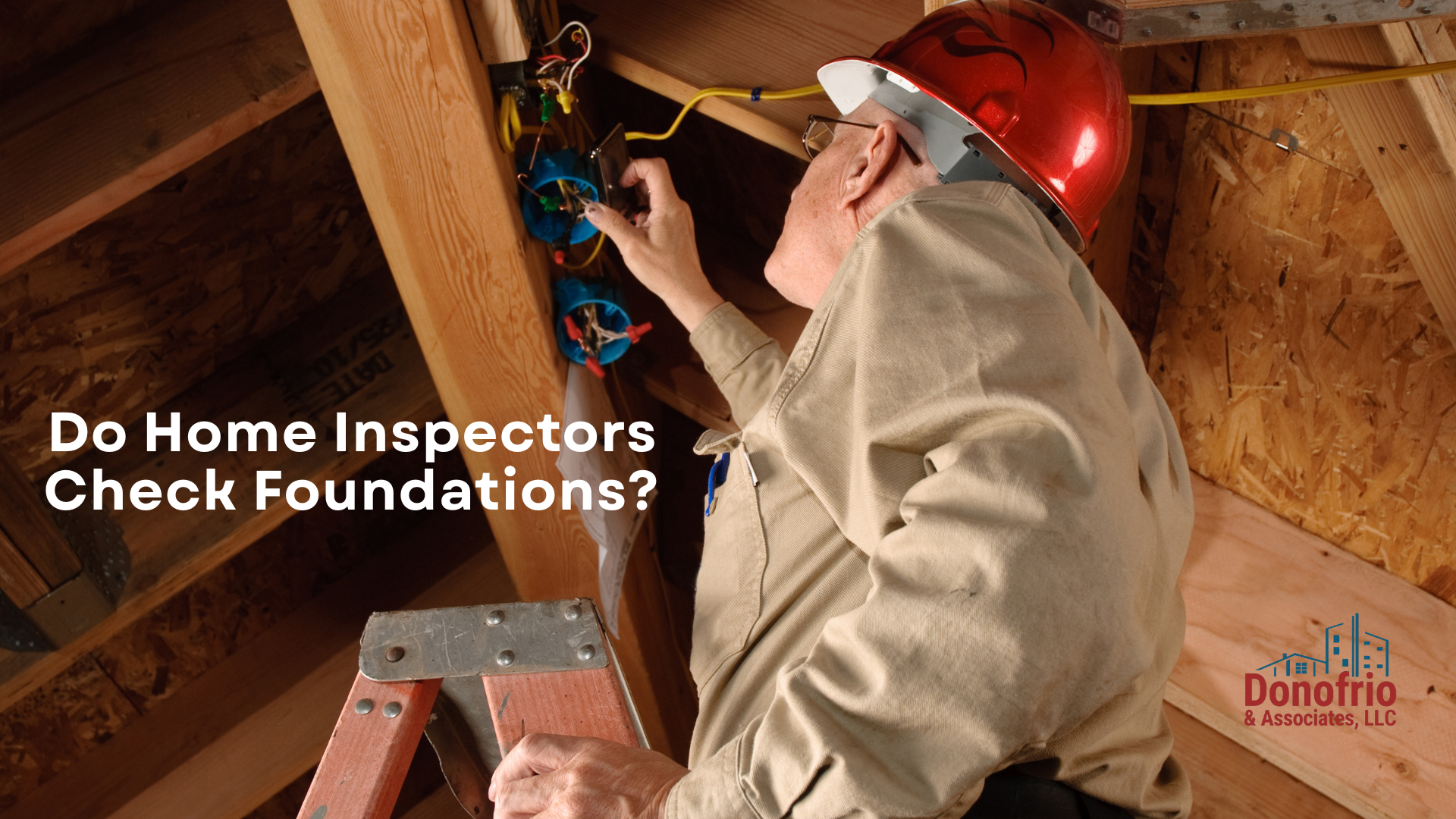
Intro
When purchasing a home, the foundation is undeniably the most critical component of the entire structure. It bears the entire weight of the building, stabilizes the framework, and prevents soil movement from shifting your living space. Given its importance, it’s completely natural for prospective buyers to ask whether a standard home evaluation includes a thorough foundation review. The short answer is yes—home inspectors inspect the visible elements of a foundation during a standard walkthrough. Understanding how an inspector evaluates structural stability, what red flags they look for, and when a specialized structural engineer is required helps you protect your investment with total confidence.
How Home Inspectors Evaluate Visible Foundation Components
During a general evaluation, an inspector examines all exposed and accessible areas of the foundation from both the exterior and interior. Outside, they inspect above-grade concrete walls, brick veneer, and stone masonry for visible cracking, displacement, or deterioration. Inside the property, they head straight to unfinished basements, crawl spaces, and utility rooms where the structural perimeter remains visible. Rather than just looking at the concrete itself, inspectors also evaluate the surrounding grading, downspout extensions, and site drainage, as improper water management is the single leading cause of long-term foundation distress.
Key Signs of Foundation Stress and Structural Failure
Home inspectors are trained to identify specific visual indicators that signal foundation movement, hydrostatic pressure, or structural compromise. Common warning signs logged during an evaluation include:
Cracks in Foundation Walls
While thin vertical hairline cracks are often caused by normal concrete curing, horizontal cracks, stair-step cracks in brickwork, and wide diagonal fractures point to active soil movement or lateral pressure.
Bowing or Bulging Walls
Hydrostatic pressure from wet, heavy soil can push basement walls inward, creating a distinct curve or bulge along the wall plane.
Interior Structural Symptoms
Foundation shifting affects the entire home frame above it, leading to sticking doors and windows, sloped floors, and diagonal dry-wall cracks above door frames.
Erosion and Water Intrusion
Efflorescence (white powdery mineral deposits on basement walls), standing water in crawl spaces, or visible floor cracks indicate ongoing moisture pressure beneath the slab.
The Difference Between a Home Inspection and a Structural Engineering Assessment
While home inspectors are skilled at identifying the symptoms of foundation issues, they do not perform load calculations or design repair solutions. If your inspector discovers significant structural defects—such as bowing block walls, major horizontal cracking, or severe floor deflection—they will document the finding in their official report and recommend a specialized structural evaluation. Bringing in a licensed structural engineer or specialized foundation consultant provides a detailed technical analysis of the root cause along with an engineered scope of repair, giving you the exact data needed to negotiate repairs or credits with the seller.
Conclusion
A home inspector plays a vital frontline role in protecting you from buying a house with hidden structural defects. By carefully examining exposed foundation walls, checking crawl spaces, and looking for secondary signs like sloping floors or sticking doors, they provide an essential diagnostic overview of the home’s stability. Identifying structural risks early gives you the leverage necessary to request further engineering reviews, negotiate fair seller repairs, or step away from an unsafe property, ensuring your future home stands on solid ground for decades to come.
Recent Blogs

Why Every Homebuyer Should Attend the Home Inspection
Sep. 18, 2026
How to Prepare Your Home for a Pre-Listing Inspection
Sep. 04, 2026
7 Roof Problems Home Inspectors Commonly Find in Northern Virginia
Aug. 28, 2026
Commercial Property Inspection Checklist for Office Buildings (2026 Guide)
Aug. 21, 2026