(703) 771-8374

Mold and Moisture Problems Found in Sterling, VA Homes
Return To Blogs
Intro
Homeownership in Sterling, VA comes with many benefits—proximity to Washington, D.C., a thriving community, and a variety of housing options. However, one of the biggest hidden challenges for homeowners in this region is dealing with mold and moisture. With Northern Virginia’s humid summers, rainy seasons, and occasional basement flooding, homes in Sterling are especially vulnerable. Mold and moisture problems are not only damaging to a property’s structure but also pose serious health risks for families. Understanding the causes, signs, and solutions can help homeowners stay ahead of these issues and protect both their property and their health.
Why Mold and Moisture Are Common in Sterling Homes
Sterling’s climate makes it easy for mold and moisture to thrive. High humidity levels, heavy rainfall, and fluctuating temperatures create the perfect environment for water intrusion. Many homes in the area have basements, crawl spaces, or older foundations, all of which are prone to leaks and dampness. Once moisture enters the home, whether through cracks, poor ventilation, or inadequate drainage, mold spores can quickly spread. Left untreated, even a small moisture problem can escalate into a major concern, damaging walls, flooring, insulation, and indoor air quality.
Health Risks Associated with Mold
Mold is more than just an eyesore—it’s a health hazard. Common indoor molds release allergens and irritants that can affect air quality and trigger respiratory problems. For sensitive individuals, exposure can cause coughing, congestion, headaches, or skin irritation. Children, elderly family members, and those with asthma or allergies are particularly vulnerable. In severe cases, prolonged mold exposure can worsen chronic health conditions. This makes identifying and addressing mold quickly an essential step for protecting families living in Sterling homes.
Signs of Moisture and Mold Problems
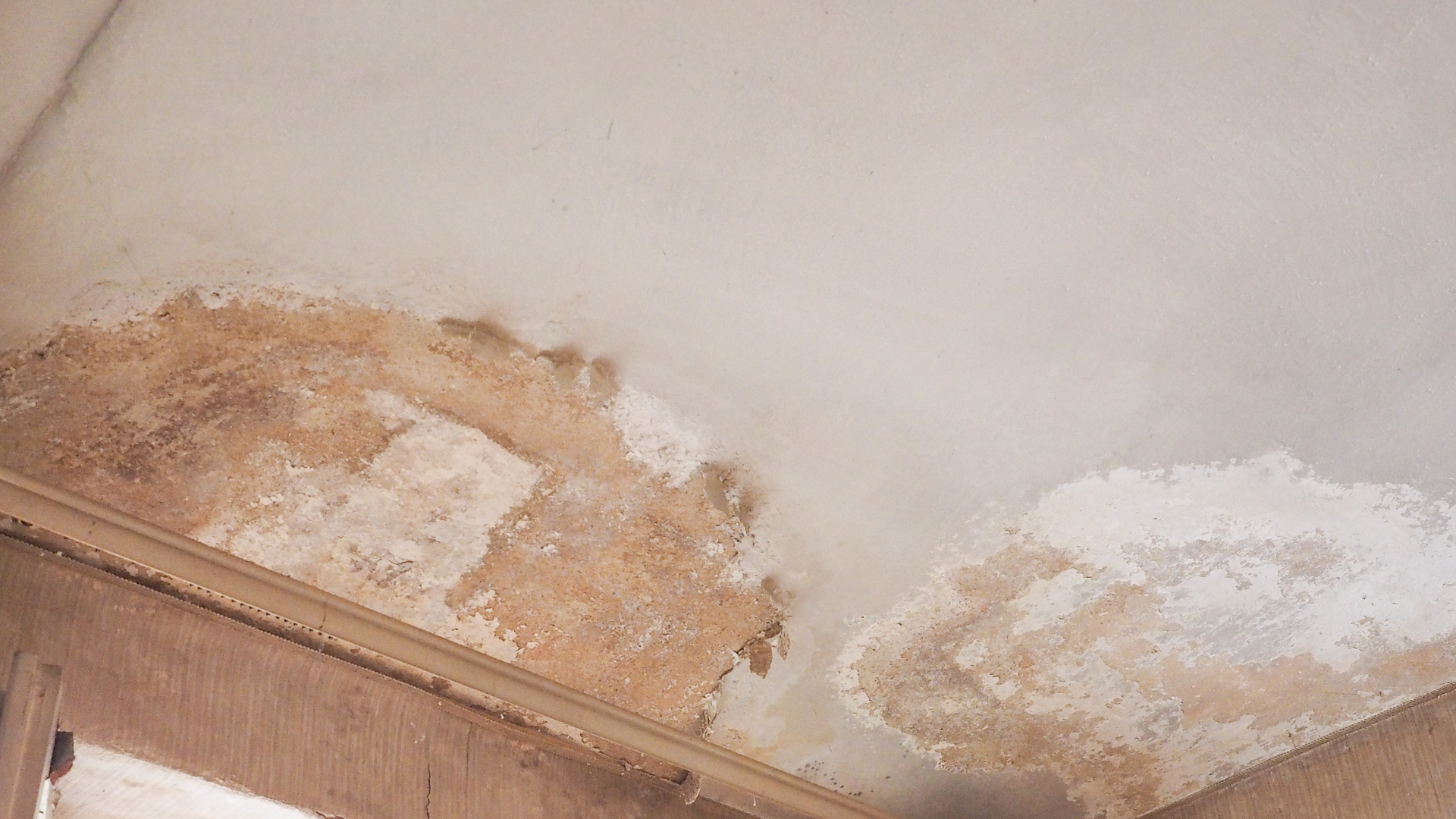
Homeowners often miss early warning signs of moisture and mold because they develop in hidden areas like basements, attics, or behind walls. A persistent musty odor in certain rooms is often one of the first indicators that mold is present. Visible mold growth on walls, ceilings, or bathroom tiles provides more obvious evidence, while water stains, peeling paint, or warped drywall point to ongoing moisture intrusion. Condensation on windows or pipes can also suggest that humidity levels are too high inside the home. In some cases, recurring allergy or respiratory issues among family members are the only sign that mold is affecting indoor air quality. During professional home inspections in Sterling, these symptoms frequently appear in basements, crawl spaces, and bathrooms where ventilation is limited.
How Inspections Help Detect Problems
Mold and moisture issues are not always visible to the untrained eye. Professional inspectors use specialized tools such as moisture meters, infrared cameras, and air quality testing equipment to identify hidden leaks and mold growth. These inspections provide homeowners with a clear picture of the extent of the problem and its root causes. For buyers in Sterling, a thorough inspection can prevent the costly mistake of purchasing a home with undisclosed water damage or mold contamination. For current homeowners, inspections offer guidance on remediation and preventive steps to safeguard the property.
Solutions and Prevention Strategies
Once mold or moisture problems are detected, prompt action is critical. Professional remediation may be needed to remove mold safely and prevent it from returning. In addition, fixing the source of moisture is essential to long-term prevention. Solutions often include improving drainage around the home, sealing foundation cracks, adding vapor barriers in crawl spaces, or upgrading ventilation in bathrooms and attics. Dehumidifiers can also help control indoor humidity during Sterling’s damp summer months. Regular maintenance and inspections ensure that these problems are caught early, minimizing repair costs and protecting the home’s value.
Conclusion
Mold and moisture problems are common challenges for homeowners in Sterling, VA, but they don’t have to become long-term headaches. By understanding the causes, recognizing early signs, and scheduling professional inspections, homeowners can stay proactive in protecting both their property and their family’s health. With the right solutions in place, you can enjoy the benefits of living in Sterling without worrying about hidden mold or moisture damage undermining your home investment.
Early detection of moisture sources through professional thermal imaging is the most effective way to prevent toxic mold growth and protect your home’s structural integrity. CLICK HERE
Frequently Asked Questions: Mold & Moisture Prevention
What are the primary causes of mold in Sterling homes? High humidity levels during Northern Virginia summers, coupled with poor attic ventilation or undetected plumbing leaks, are the most frequent culprits. When warm, moist air meets a cool surface like a basement wall or a roof underside, condensation forms and creates the perfect breeding ground for mold.
Can I have mold if I don’t see any visible spots? Yes. Mold often grows in hidden areas such as behind drywall, under carpeting, or inside HVAC ductwork. If you notice a persistent musty odor or experience unexplained allergy-like symptoms when indoors, it is a strong indicator of a hidden moisture problem.
How does an inspector find moisture that is hidden behind walls? We use non-invasive moisture meters and infrared thermal imaging cameras. Since wet materials change temperature differently than dry ones, the thermal camera allows us to see “cool spots” behind the wall that signify active leaks or damp insulation.
Is “Black Mold” the only type I should be worried about? While Stachybotrys chartarum (black mold) is well-known for producing mycotoxins, many other types of mold—such as Aspergillus or Penicillium—can still cause significant respiratory issues and structural rot. Any type of mold growth indicates a moisture failure that needs to be addressed.
How can I prevent moisture buildup in my basement? Ensure your gutters are clear and downspouts are discharging at least 6 to 10 feet away from your foundation. Additionally, maintaining a basement dehumidifier set to 50% or lower can help prevent the condensation that leads to surface mold on stored items and furniture.
Recent Blogs

Commercial Property Inspection Checklist for Office Buildings (2026 Guide)
Aug. 21, 2026
Pool & Spa Inspection Checklist for Virginia Homebuyers
Aug. 14, 2026
What Happens If a Home Inspection Finds Mold?
Aug. 07, 2026
Townhome Inspection Checklist for Loudoun & Fairfax County Buyers
Jul. 31, 2026